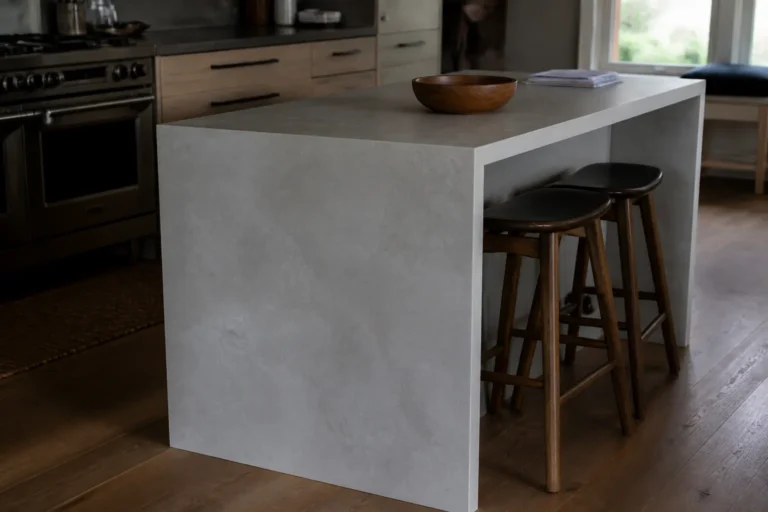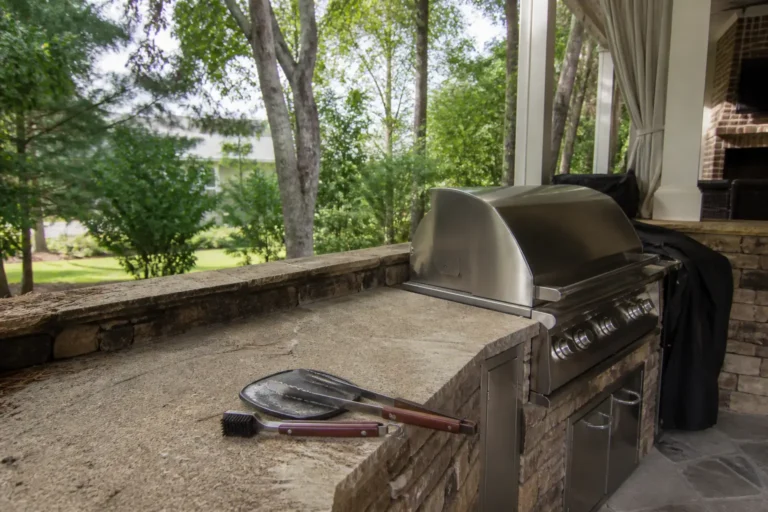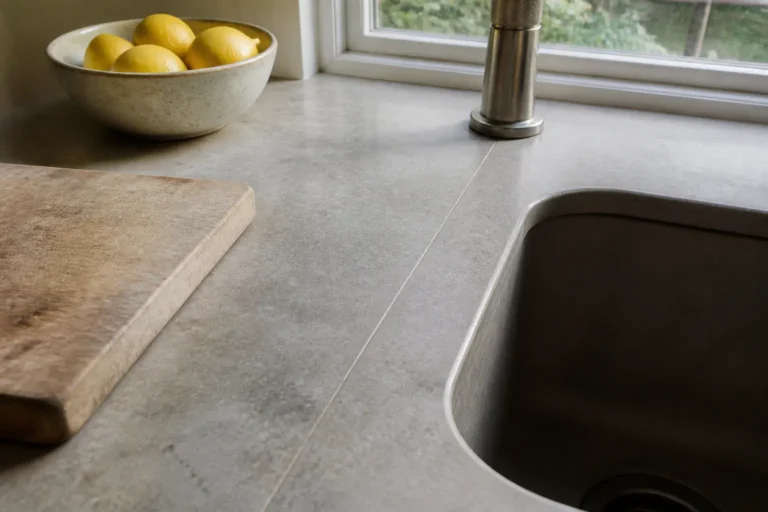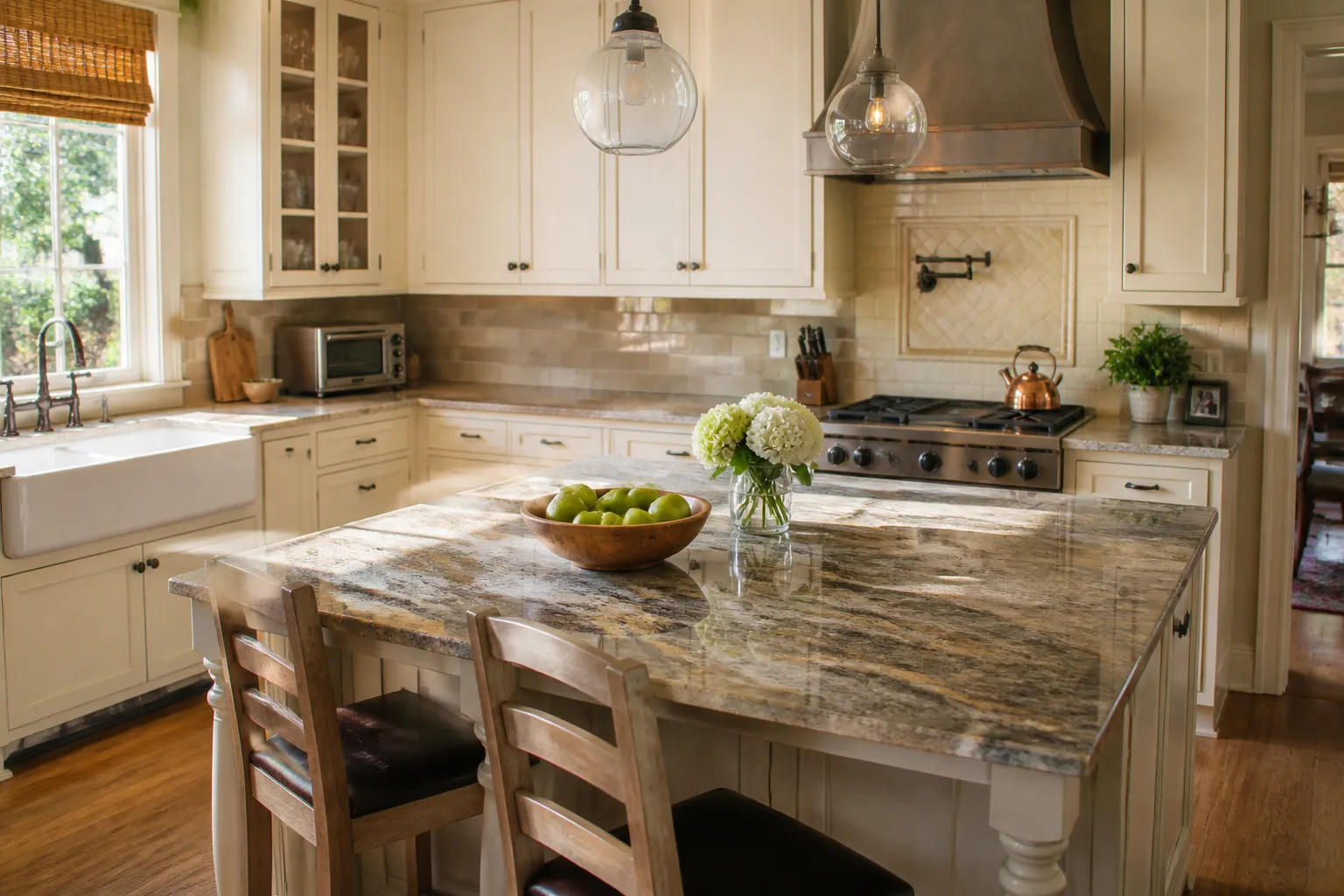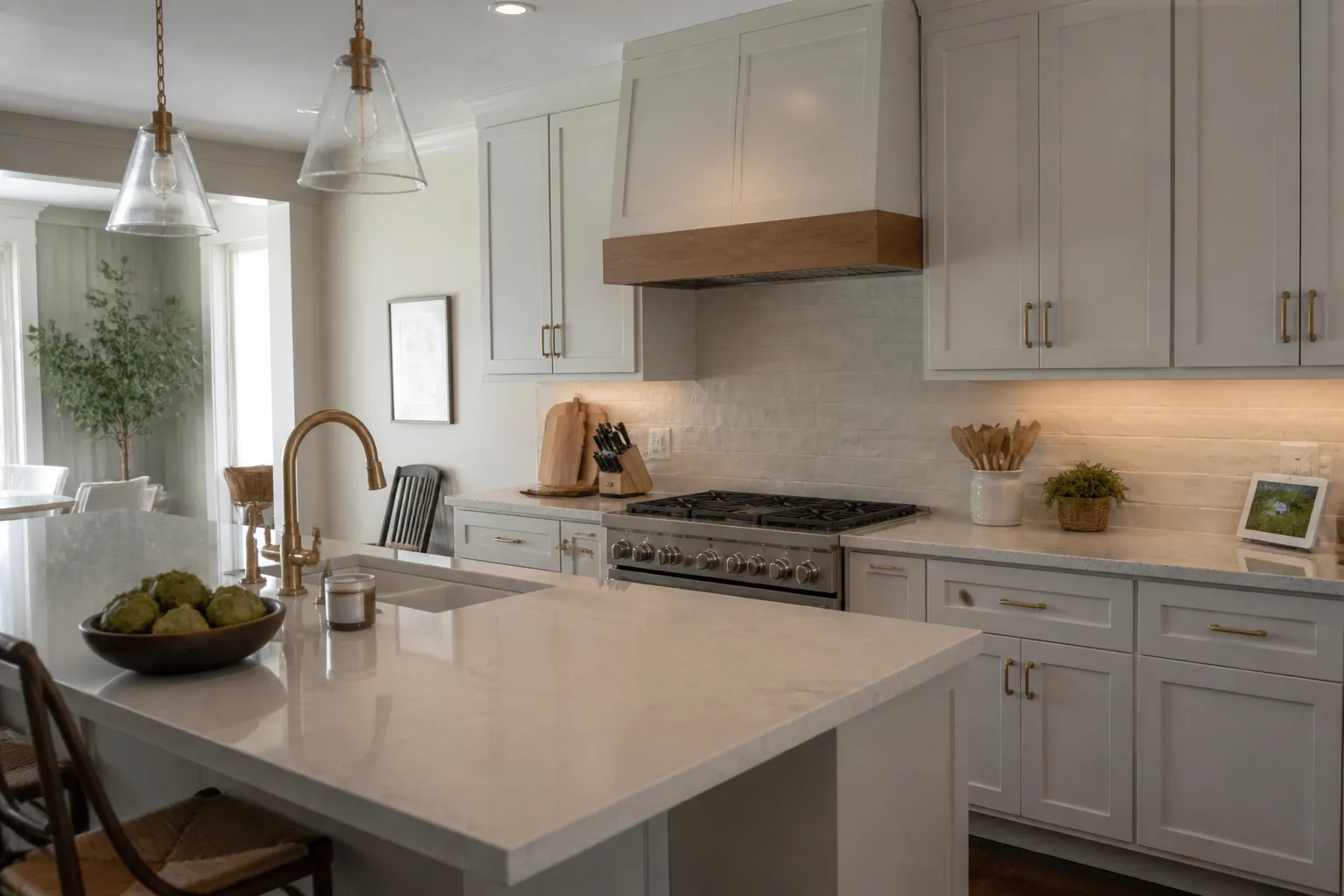
Marietta Countertops helps homeowners and businesses across Marietta, GA choose, fabricate and install the right countertop. A kitchen remodel budget works best when it accounts for the full sequence of the project, not just the most visible finishes. Countertops are an important line item, but their final scope connects to cabinets, sinks, appliances, plumbing, electrical work, and installation timing. A written plan helps you compare choices without losing sight of the total project.
Set priorities first
Decide what matters most to you. You may want durable work surfaces, more prep space, a statement island, new cabinets, or improved storage. Rank those goals so you can make tradeoffs confidently if selections change. A priority list is especially useful when a material or appliance choice affects several other decisions.
Separate needs from wants. Repairing worn cabinets, improving lighting, or correcting a plumbing issue may need to come before a decorative upgrade. That does not mean you cannot plan for the look you want. It means the budget should make room for the work required to support it.
Include the complete countertop scope
When planning countertop costs, consider material, slab quantity, fabrication, edge profiles, cutouts, backsplashes, removal of existing surfaces, delivery, and installation. A sink, faucet, and plumbing reconnect may be separate parts of the overall project. Ask for a clear scope so you know what is included and what needs another trade.
Cabinet readiness is part of countertop planning. Cabinets should be installed, level, and secure before final measurement. If you are changing the island size, adding a seating overhang, or selecting a heavy sink, discuss those details before fabrication begins.
Keep a contingency
Older homes and renovation projects can reveal surprises after demolition. A contingency helps you address unforeseen repairs or changes without abandoning the features that matter most. The right amount depends on the age and condition of the space, but every remodel benefits from some flexibility.
Phase the project when useful
If your ideal remodel exceeds the current budget, consider a phased approach. Confirm how future countertop, backsplash, or appliance decisions will work with the first phase so you do not create unnecessary rework. Keep measurements, selections, and product information together for future reference.
Common budget surprises
Some costs only show up once work starts. Plan for these so they do not catch you off guard:
- Removing and hauling away the old countertops
- A plumber to disconnect and reconnect the sink, faucet, and dishwasher
- A new backsplash, since old tile often breaks when old tops come out
- Cabinet repairs found once the old tops are off
- A new sink or faucet if the old one does not fit the new cut-out
Ways to save without regret
- Pick a lower-cost grade or a more common color of the same material.
- Choose a simple edge. Fancy edges add labor.
- Keep the layout simple. Every extra corner, seam, and cut-out adds time.
- Spend more on the main counter and less on a laundry or bar area.
Try not to cut corners on support and installation. A top that cracks or shifts can cost far more than you saved. For price ranges, see our guide to how much countertops cost.
A simple budget plan
It can help to split the countertop budget into three parts before you shop:
- Material and fabrication, which is usually the largest share.
- Installation and related work, like removal, plumbing, and cut-outs.
- A cushion for the surprises listed above.
Writing these down first keeps you from falling for a slab that leaves nothing for the rest of the job.
Request clear scopes
Ask for itemized proposals and compare what each one includes. Marietta Countertops can help you understand countertop options and plan a scope that supports your remodel priorities.