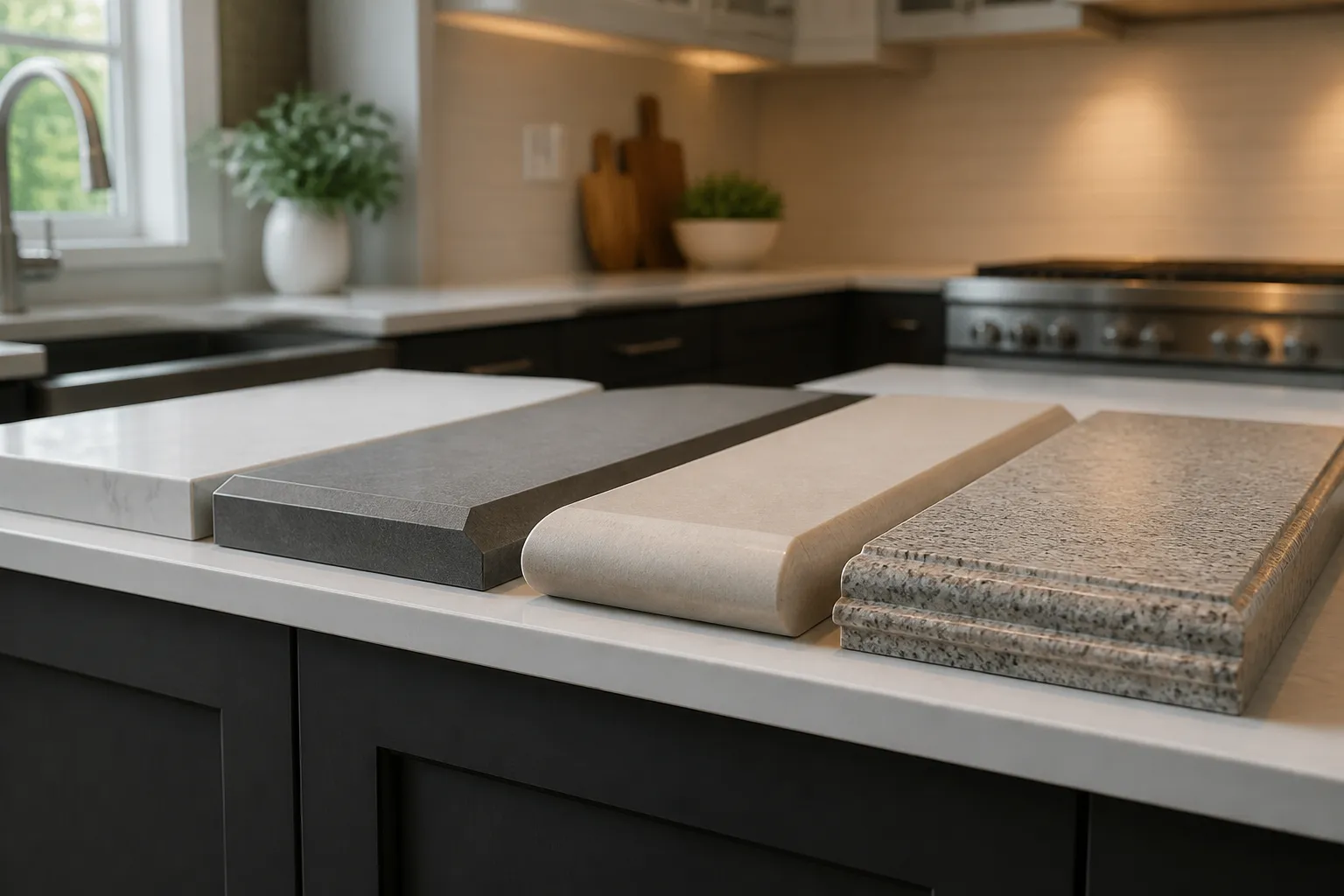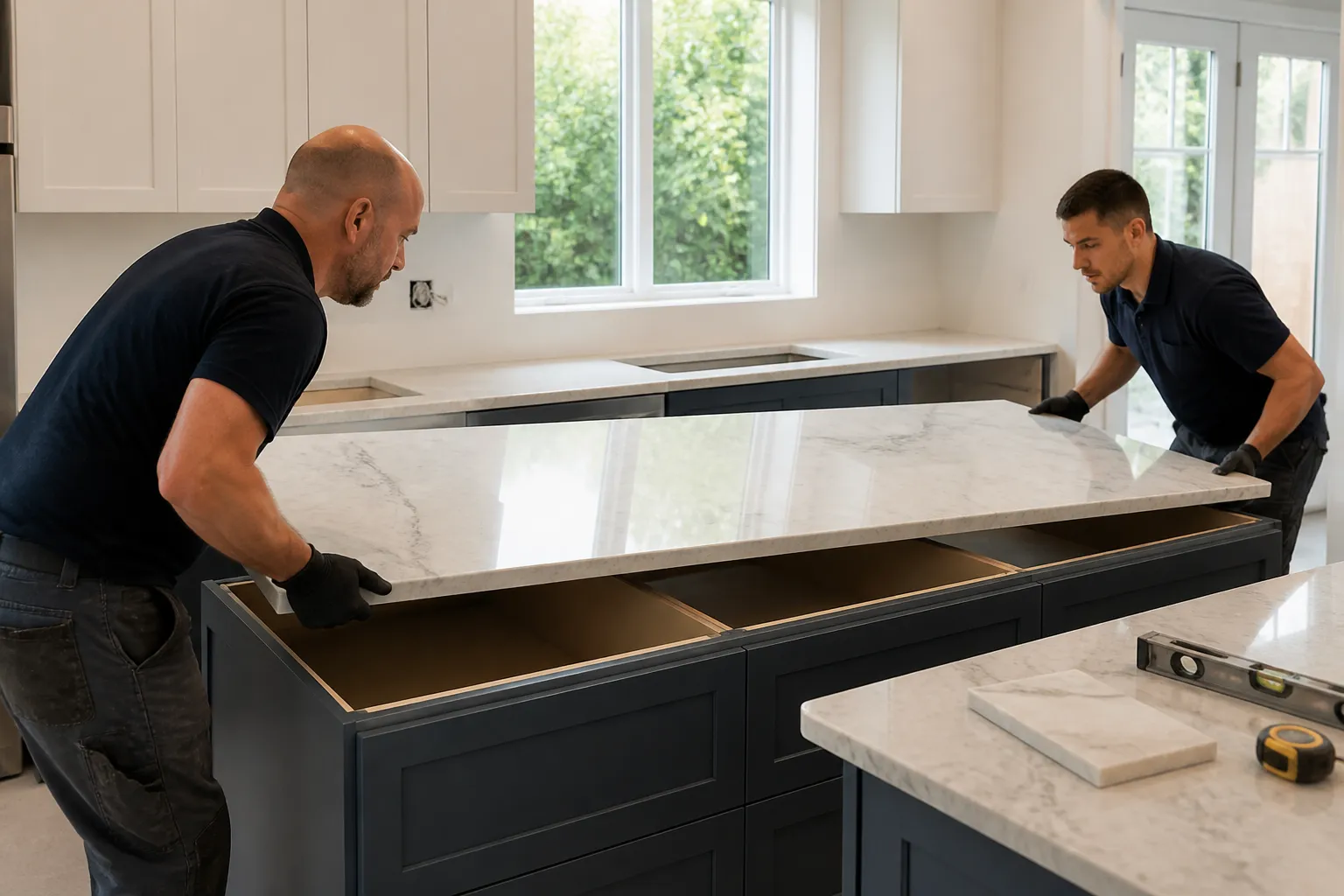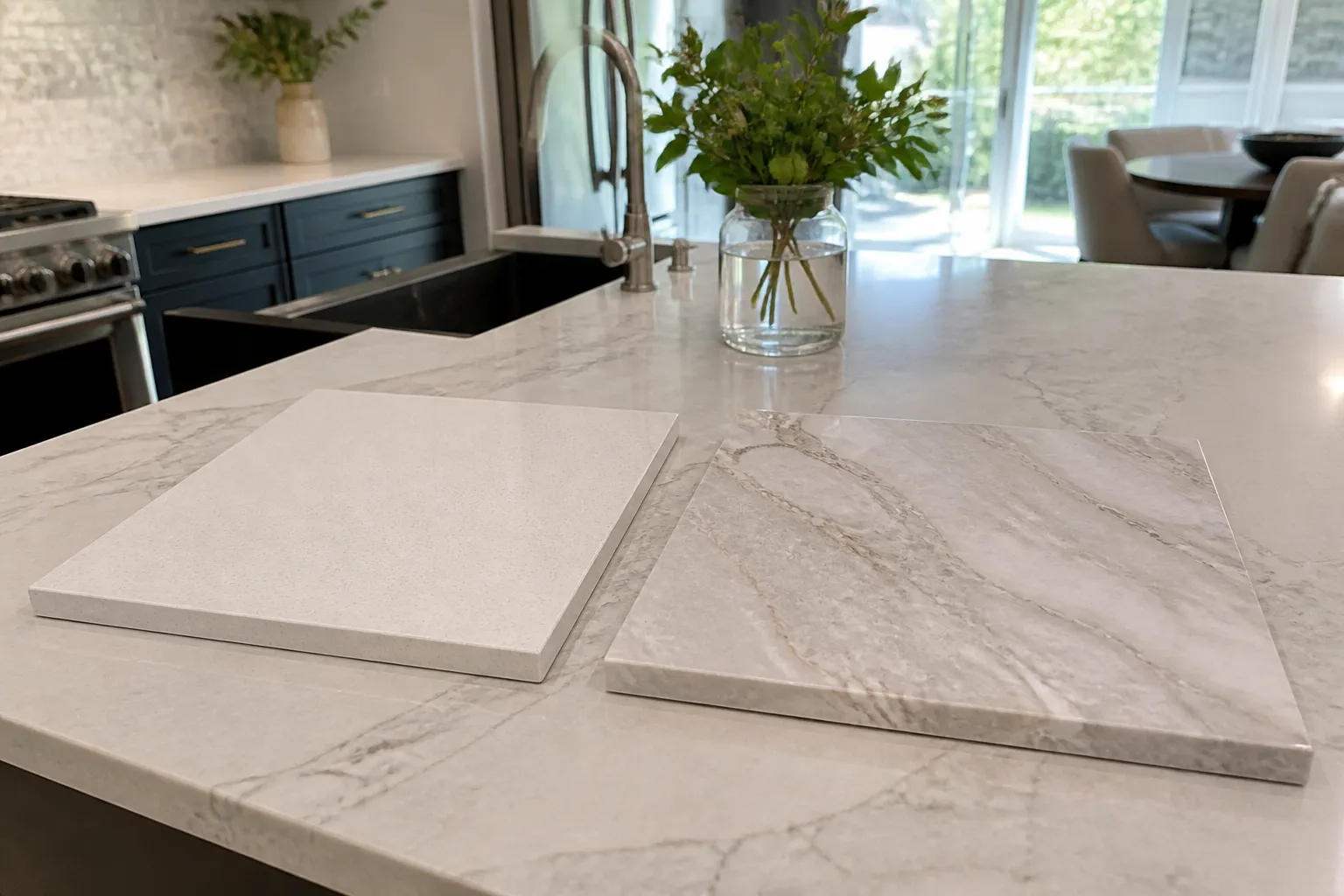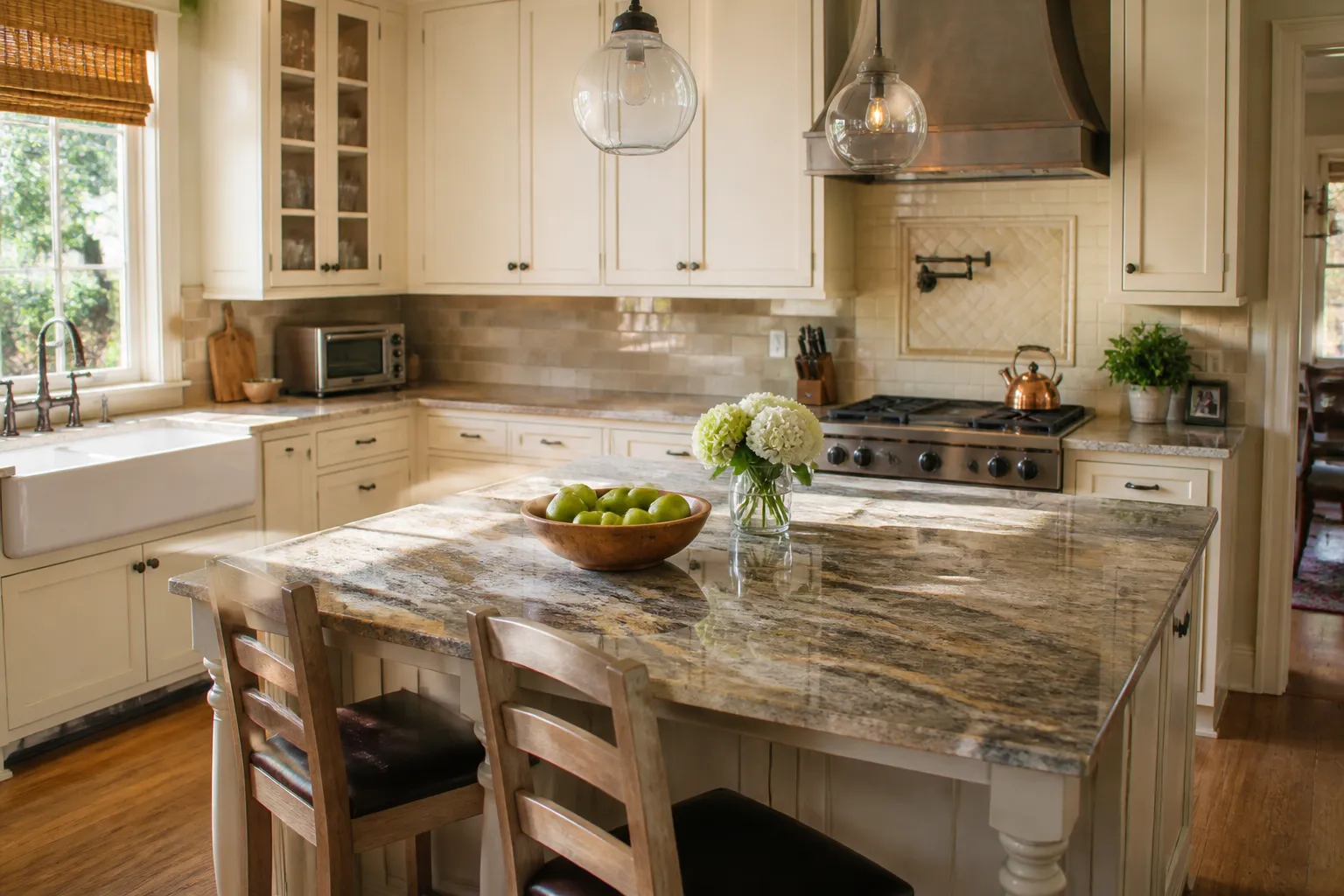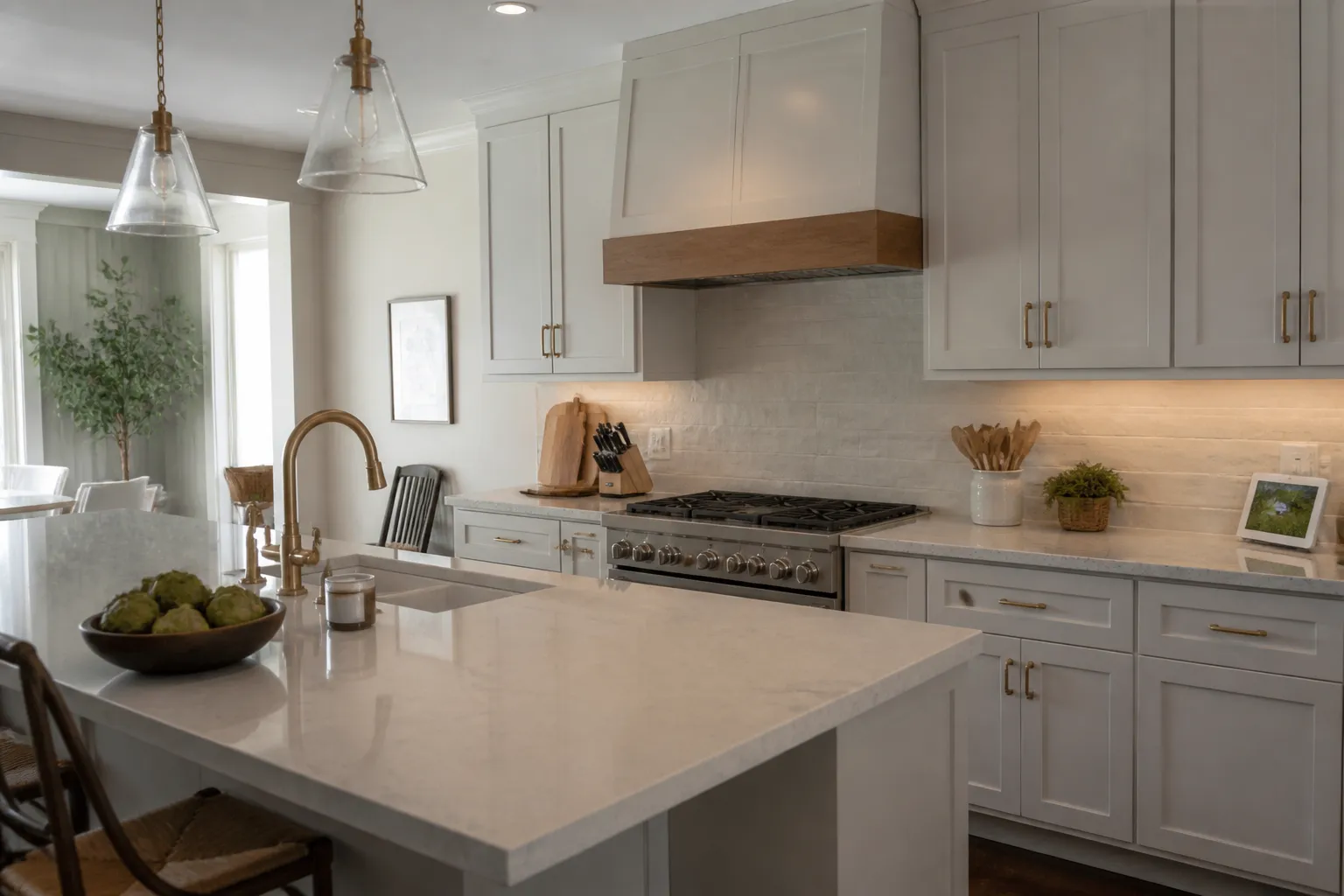
Marietta Countertops provides practical countertop guidance in Marietta, GA. Yes, it is often possible to replace countertops without replacing the cabinets underneath. A countertop-only update can refresh a dated kitchen or bathroom while preserving cabinetry that still functions well. The key is making sure the cabinets are structurally sound, level, and ready to support the material you choose. A careful assessment before measurements are taken can prevent delays and protect the finished installation.
Check cabinet condition first
Begin by looking for signs of water damage, loose joints, sagging shelves, swollen areas near the sink, or bases that move when pressed. Cabinets do not need to be new, but they should be stable. Stone countertops are heavy, and the cabinet boxes must support the load evenly. Any damaged sink base, weak corner, or loose attachment should be repaired before the new countertop is installed.
Open the doors and drawers as well. If they bind because cabinets are shifting or out of level, address the underlying issue rather than assuming the new countertop will hide it.
Level and flat are important
Countertop installers need a stable, reasonably level surface for accurate templates and a secure fit. Older cabinets may settle over time, leaving high or low spots along the run. Small adjustments can sometimes be made during preparation, but larger issues may require shimming, reinforcement, or cabinet repair.
A professional measure is the best time to identify these concerns. Do not schedule fabrication until the cabinets are installed, secured, and in their final position. Moving cabinets after templates are made can affect the fit of the finished pieces.
Consider the new material’s weight
Laminate and some solid-surface products place different demands on cabinets than granite, quartz, marble, or quartzite. Natural and engineered stone are substantial materials, especially on large islands, long spans, and overhangs. Your installer can recommend where additional support may be needed.
Support is especially important around dishwashers, cooktop cutouts, wide openings, and raised bars. The countertop should never be expected to correct structural problems below it.
Plan for backsplash and wall changes
Removing old counters can expose unfinished wall areas, old adhesive, or gaps behind the backsplash. A new countertop may have a slightly different thickness or footprint than the old one. Plan for minor drywall, paint, tile, or trim work after removal. If you are changing the backsplash too, coordinate the order of work with your countertop installer and tile professional.
Plumbing and appliances also need attention. Sinks, faucets, cooktops, and disposals may need to be disconnected before removal and reconnected after installation. Confirm who is handling each step before the project begins.
When cabinets should be replaced first
It may make more sense to replace cabinets before countertops if they are seriously water damaged, poorly supported, extensively out of level, or no longer meet your storage and layout needs. A kitchen redesign that changes cabinet locations, adds an island, or moves appliances should also happen before countertop templates are created.
For homeowners in Marietta, keeping good cabinets and installing new countertops can be a practical update. Share photos, rough measurements, and your material preferences with a countertop professional so the cabinet condition, support needs, and installation details can be evaluated early.