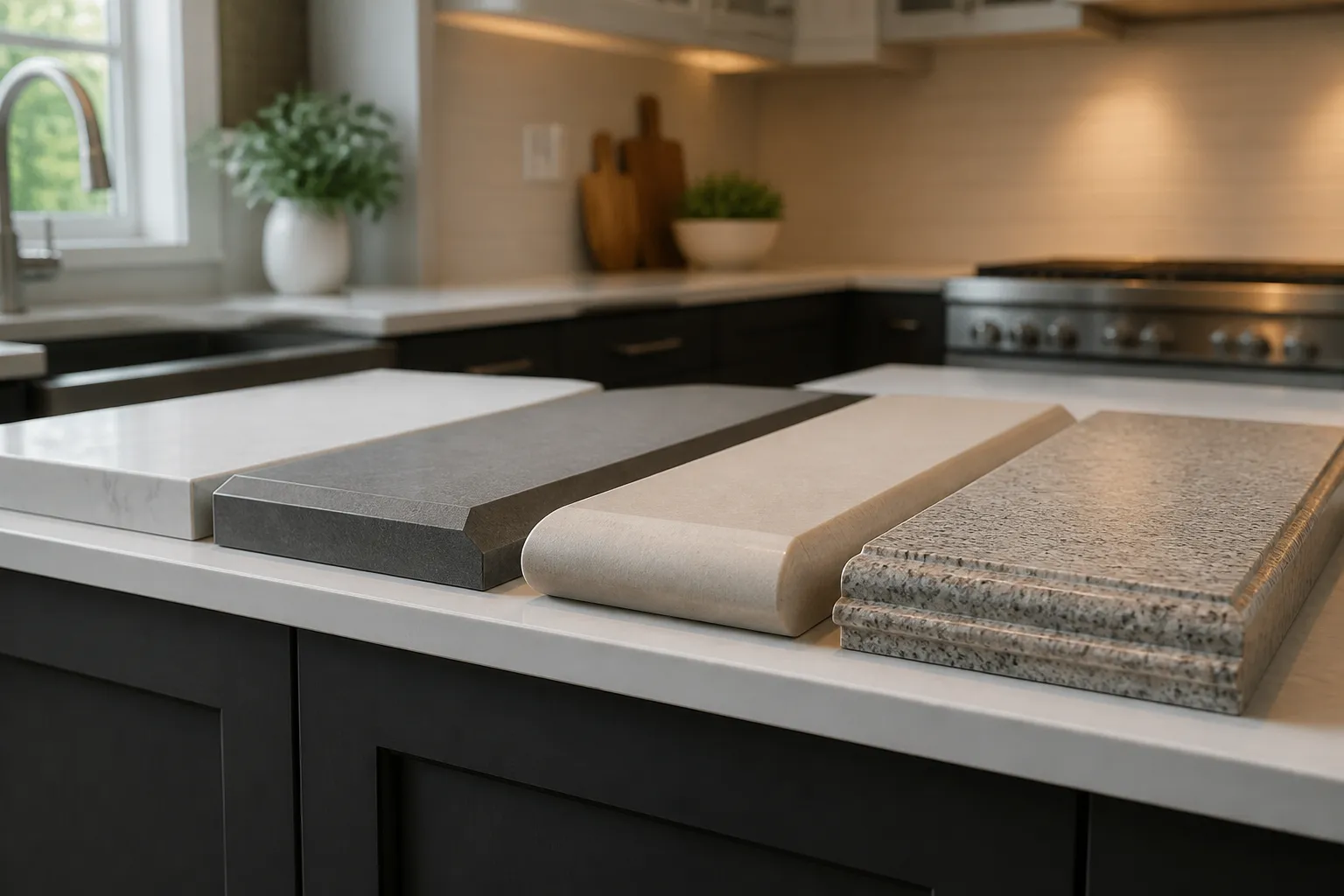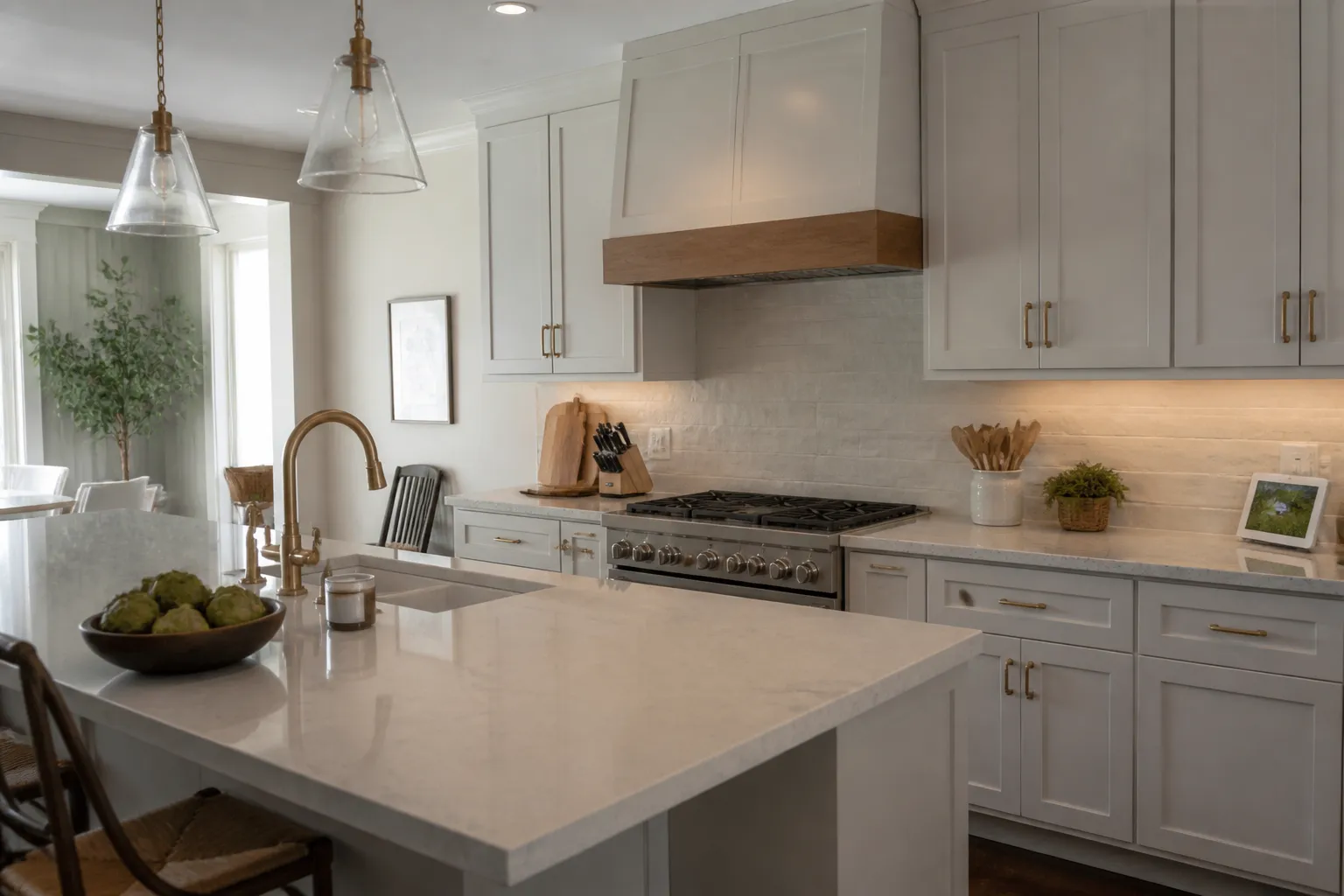
Marietta Countertops provides practical countertop guidance in Marietta, GA. Quartz and granite are two of the most common choices for a kitchen remodel, but they solve everyday needs in different ways. Neither material is automatically better for every home. The right choice depends on how you cook, how much maintenance you want, the look you prefer, and how the countertop will work with your cabinets and lighting.
How quartz and granite are made
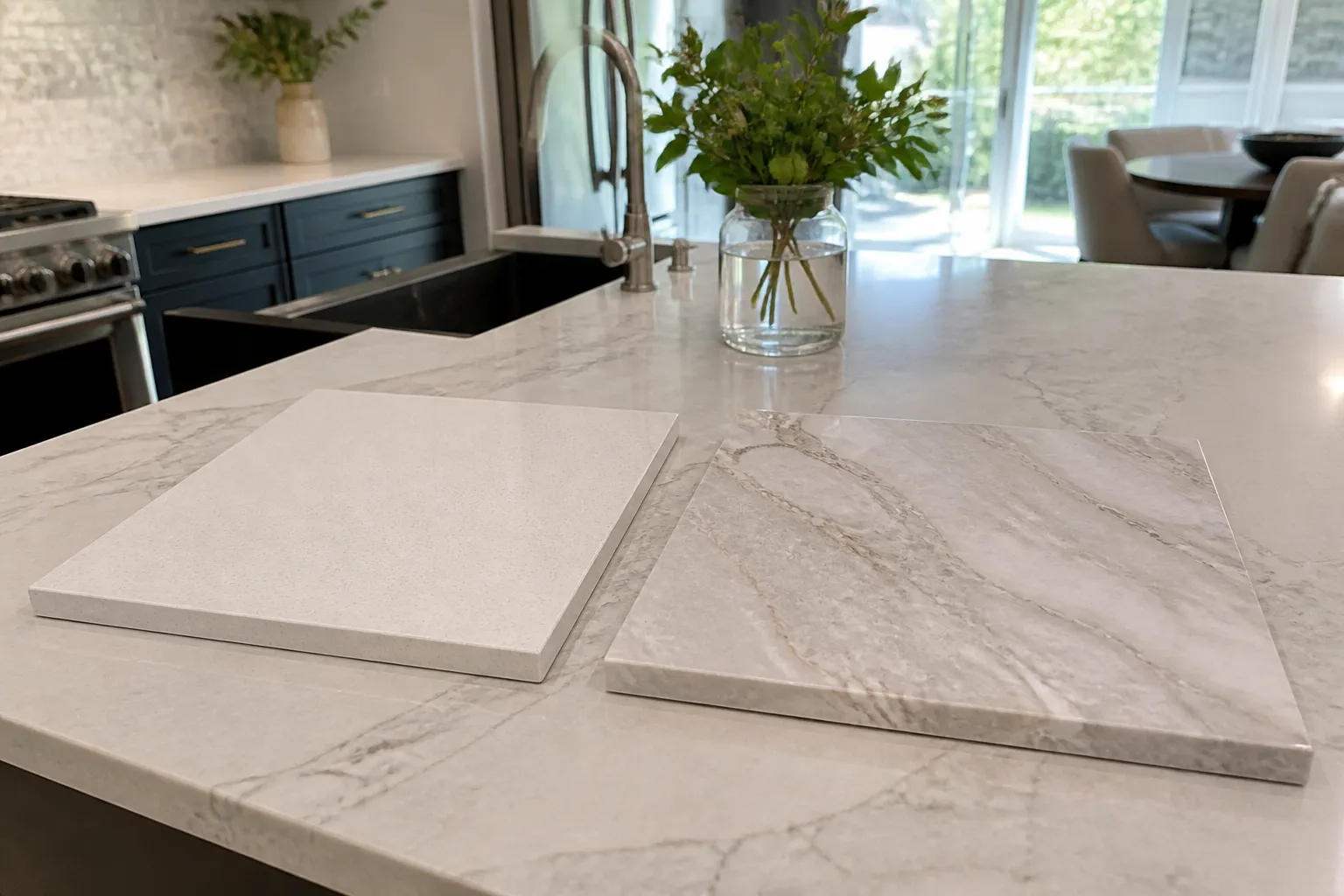
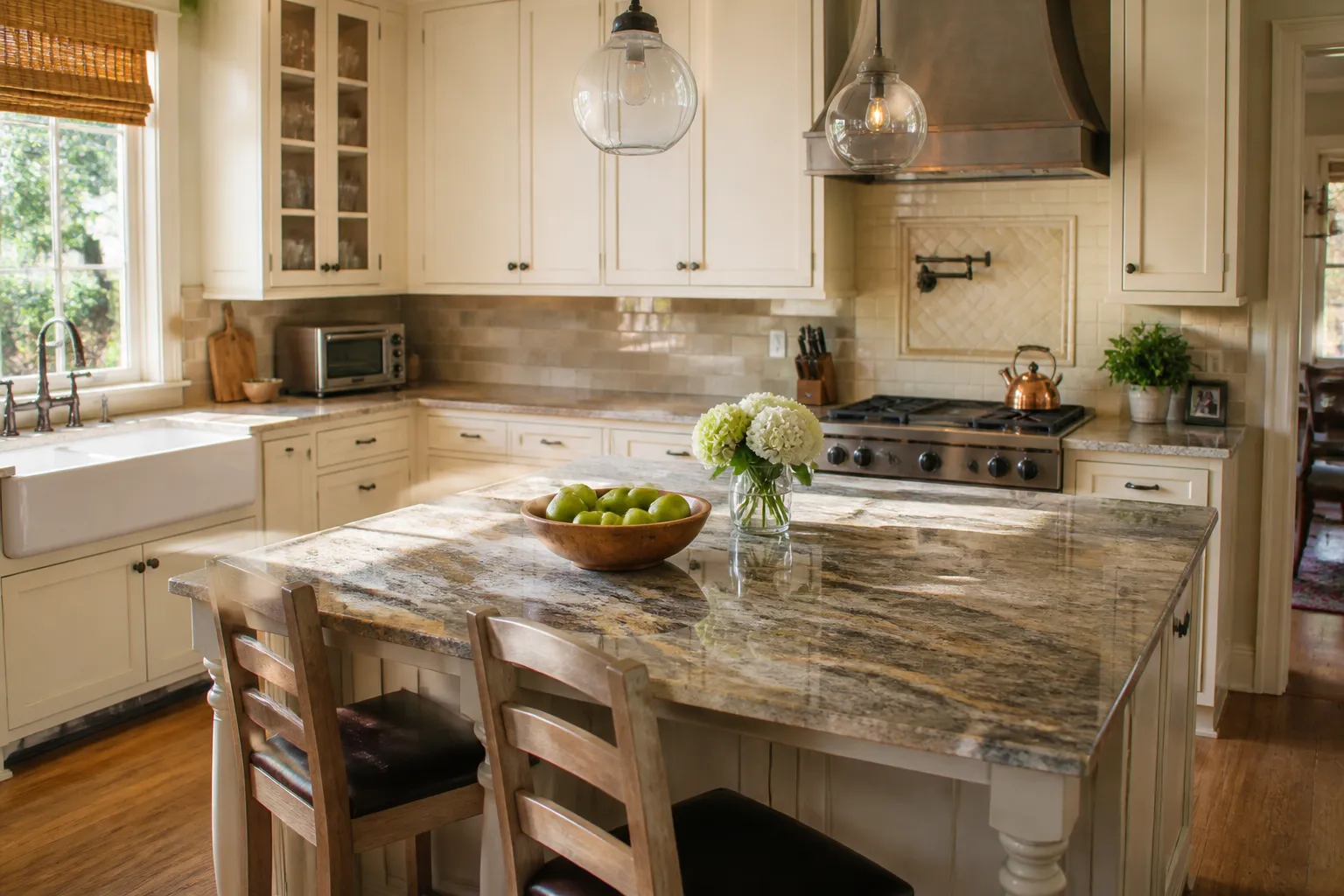
Granite is a natural stone cut from slabs, so every piece has its own movement, minerals, and color variation. That variation is a major part of its appeal. Quartz countertops are engineered from crushed quartz combined with resins and pigments. The result is a consistent, nonporous surface available in solid colors, subtle patterns, and designs that resemble natural stone.
If you want each countertop to feel one of a kind, granite may be more appealing. If you want predictable color and pattern across a large kitchen, quartz can make planning easier.
Daily care and stain resistance
Quartz is nonporous, which means it does not usually need sealing. Wiping up spills with a soft cloth, mild soap, and water is generally enough for daily care. That can be helpful in a busy kitchen where coffee, oil, sauces, and juice are common.
Granite is porous to varying degrees. A properly sealed granite surface resists most everyday spills, but the seal needs to be maintained over time. Acidic foods, wine, and oils should be cleaned promptly. Granite care is still manageable, but it takes a little more attention than quartz.
Durability, heat, and scratches
Both materials are durable for normal kitchen use. Quartz resists scratches well, although it is not scratch-proof. Use cutting boards rather than slicing directly on any countertop. Granite is also hard and scratch resistant, and it handles heat well. Even so, a trivet is a smart habit for hot pots and pans.
Quartz contains resin, which can be affected by intense direct heat. A hot pan placed straight from the stove or oven may discolor or damage the surface. Granite is typically more forgiving around heat, but sudden temperature changes can still create risk. In either case, pads and trivets protect your investment.
Appearance and design flexibility
Granite brings natural veining, speckles, and depth that cannot be repeated exactly. Visit the slab in person before choosing it, especially when the pattern will be a focal point. Quartz offers more uniformity and can work well with clean-lined, contemporary, or highly coordinated kitchen designs.
Think about the whole room, not just a small sample. Cabinet color, backsplash, floor tone, window light, and edge profile all affect how the finished surface reads. A large sample or slab viewing can prevent surprises.
Which one fits your home?
Choose quartz if low-maintenance care, consistent patterning, and strong stain resistance are at the top of your list. Choose granite if you value natural stone character, unique variation, and strong heat tolerance. Budget and availability can vary by slab, color, thickness, fabrication details, and layout, so compare complete project estimates rather than material labels alone.
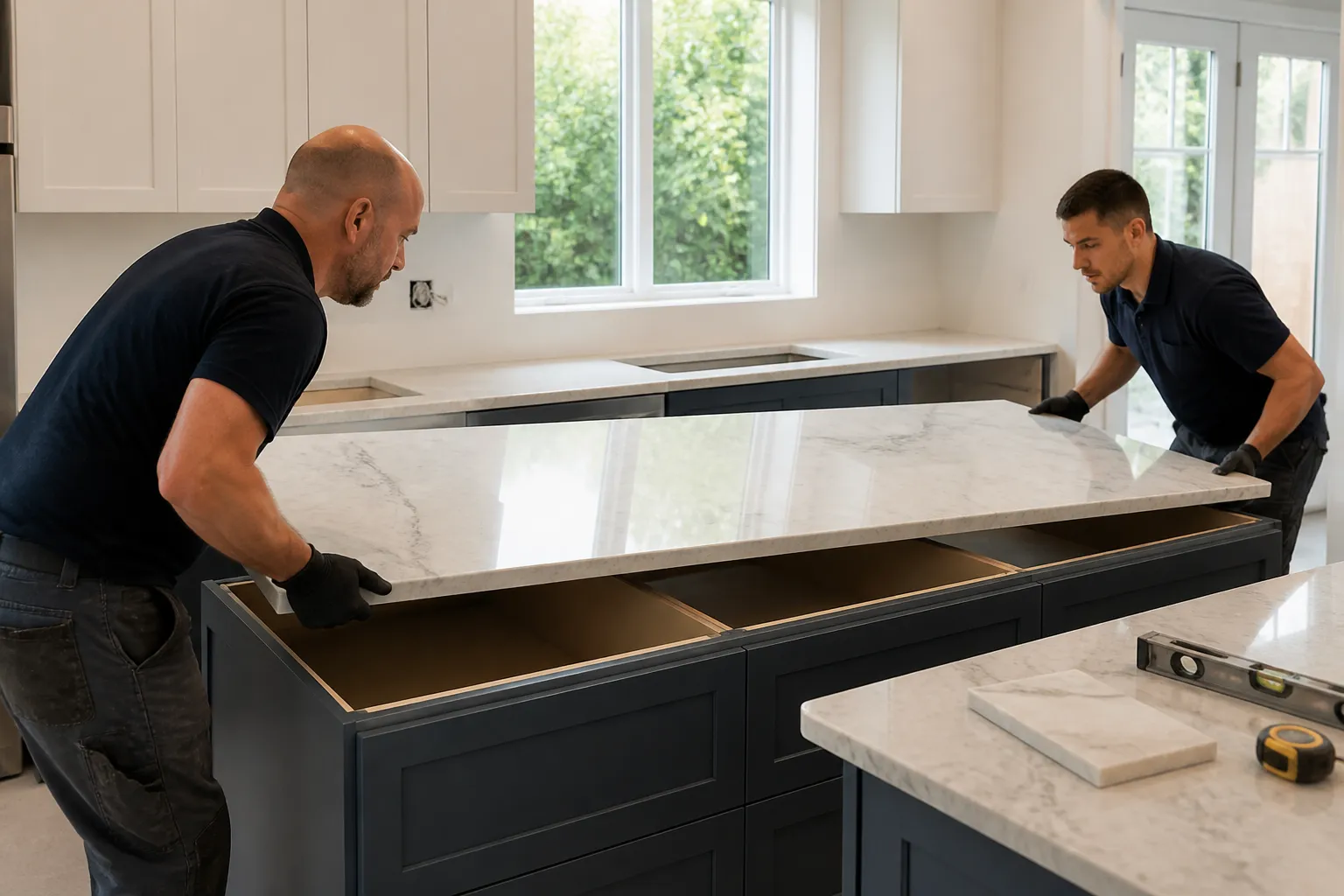
Homeowners in Marietta can get more confident about the decision by bringing cabinet samples, inspiration photos, and a rough room layout to a countertop consultation. A qualified installer can explain material options, seams, edges, cutouts, and care needs before work begins.